

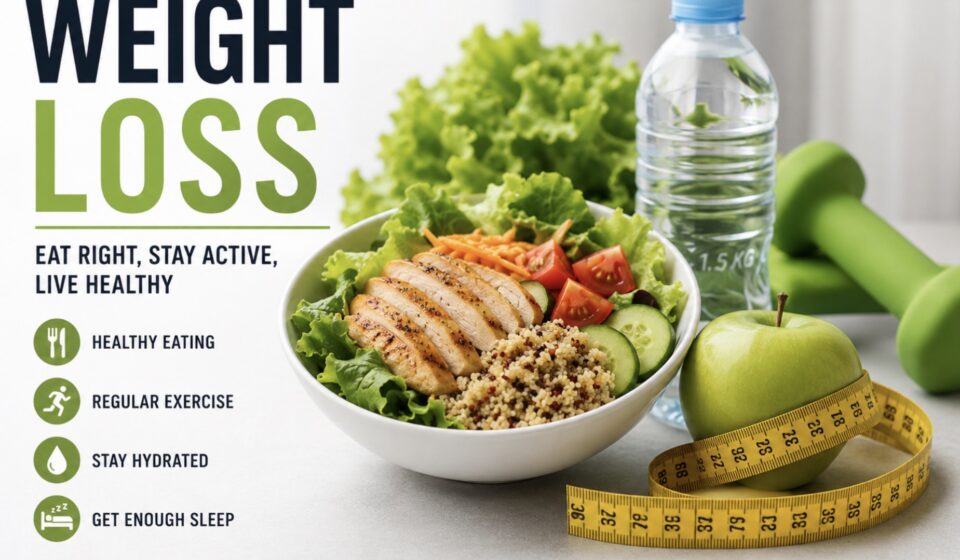

Weight loss is one of the most discussed health topics worldwide. Millions of people seek effective ways to lose weight, improve their appearance, boost confidence, and reduce the risk of chronic diseases. However, despite the abundance of information available online, many individuals struggle to distinguish between scientifically supported strategies and misleading weight-loss myths.
Healthy weight loss is not about starving yourself, taking dangerous supplements, or following extreme diets. Instead, successful and sustainable weight loss involves adopting healthy lifestyle habits that can be maintained for years.
This comprehensive guide explores the science of weight loss, the factors influencing body weight, practical strategies for fat loss, common mistakes to avoid, and long-term approaches for maintaining a healthy body weight.
Understanding Weight Loss
Weight loss occurs when the body uses more energy (calories) than it receives from food and beverages. This condition is known as a calorie deficit.
When the body experiences a calorie deficit, it begins utilizing stored energy reserves, including glycogen and body fat, to meet its energy needs. Over time, this process results in reduced body weight.
Although the concept appears simple, many biological, psychological, environmental, and lifestyle factors influence how quickly and effectively a person loses weight.
Why Maintaining a Healthy Weight Is Important
Excess body weight can negatively impact almost every system in the human body.
Maintaining a healthy weight can provide numerous benefits:
Physical Health Benefits
- Reduced risk of heart disease
- Lower blood pressure
- Better cholesterol levels
- Improved blood sugar control
- Reduced risk of type 2 diabetes
- Improved mobility
- Reduced joint pain
- Better respiratory function
- Improved sleep quality
Mental Health Benefits
- Increased confidence
- Better self-esteem
- Reduced anxiety related to body image
- Improved mood
- Greater energy and motivation
Long-Term Health Benefits
Research consistently shows that maintaining a healthy body weight contributes to longer life expectancy and improved quality of life.
What Causes Weight Gain?
Weight gain rarely results from a single factor. Instead, multiple influences interact to affect body weight.
1. Excess Calorie Intake
Consuming more calories than the body requires leads to energy storage, primarily as body fat.
Common sources include:
- Sugary beverages
- Fast foods
- Processed snacks
- Excessive portion sizes
- Frequent restaurant meals
2. Physical Inactivity
Modern lifestyles often involve prolonged sitting and limited physical activity.
Insufficient movement reduces calorie expenditure and may contribute to gradual weight gain.
3. Poor Sleep Habits
Sleep plays a major role in regulating hunger hormones.
Lack of sleep can increase:
- Hunger
- Food cravings
- Appetite for sugary foods
- Emotional eating
Adults generally benefit from 7–9 hours of quality sleep each night.
4. Chronic Stress
Stress influences hormones such as cortisol.
Elevated cortisol levels may contribute to:
- Increased appetite
- Emotional eating
- Fat accumulation around the abdomen
- Reduced motivation for exercise
5. Medical Conditions
Some medical conditions may affect metabolism and body weight, including:
- Hypothyroidism
- Polycystic ovary syndrome (PCOS)
- Cushing syndrome
- Certain hormonal disorders
Individuals concerned about unexplained weight gain should consult qualified healthcare professionals.
6. Medications
Some medications may contribute to weight gain, including certain:
- Antidepressants
- Steroids
- Diabetes medications
- Antipsychotic medications
Never stop prescribed medication without medical guidance.
Understanding Body Fat
Body fat is often misunderstood.
Fat tissue serves several important functions:
- Energy storage
- Hormone production
- Temperature regulation
- Protection of organs
The goal is not eliminating body fat entirely but maintaining healthy levels.
Essential body fat is necessary for survival and normal physiological function.
The Science of Calorie Balance
The human body constantly uses energy for:
Basal Metabolic Rate (BMR)
Energy used for:
- Breathing
- Heart function
- Brain activity
- Cell repair
BMR accounts for most daily calorie expenditure.
Physical Activity
Energy burned through:
- Walking
- Exercise
- Sports
- Daily activities
Thermic Effect of Food
The body uses energy to digest and process food.
Protein generally requires more energy to digest than carbohydrates or fats.
Best Foods for Weight Loss
Successful weight loss focuses on food quality rather than extreme restriction.
Vegetables
Vegetables provide:
- Fiber
- Vitamins
- Minerals
- Low calorie density
Examples:
- Spinach
- Broccoli
- Cabbage
- Cauliflower
- Lettuce
Fruits
Fruits contain:
- Natural sugars
- Fiber
- Antioxidants
- Vitamins
Examples:
- Apples
- Oranges
- Berries
- Pears
- Papaya
Lean Protein Sources
Protein supports:
- Muscle maintenance
- Satiety
- Recovery
Examples:
- Chicken breast
- Fish
- Eggs
- Greek yogurt
- Tofu
- Lentils
Whole Grains
Whole grains provide sustained energy.
Examples:
- Oats
- Brown rice
- Quinoa
- Whole wheat
Healthy Fats
Healthy fats help support hormone function and satiety.
Examples:
- Avocados
- Nuts
- Seeds
- Olive oil
The Importance of Protein for Weight Loss
Protein is one of the most effective nutrients for weight management.
Benefits include:
- Increased fullness
- Reduced hunger
- Preservation of muscle mass
- Slight increase in calorie expenditure
High-protein meals often reduce overall calorie intake naturally.
The Role of Fiber
Fiber slows digestion and promotes fullness.
Benefits include:
- Improved digestion
- Better blood sugar control
- Reduced hunger
Good fiber sources include:
- Vegetables
- Fruits
- Legumes
- Whole grains
Exercise and Weight Loss
Exercise supports fat loss and overall health.
While diet is often the primary driver of weight loss, exercise helps maintain results.
Walking
Walking is simple, accessible, and highly effective.
Benefits include:
- Increased calorie burn
- Improved cardiovascular health
- Reduced stress
Aiming for 8,000–10,000 steps daily may be beneficial for many adults.
Strength Training
Strength training helps preserve and build muscle.
Benefits include:
- Increased metabolic rate
- Improved strength
- Better body composition
Examples:
- Squats
- Push-ups
- Resistance bands
- Weight training
Aerobic Exercise
Examples:
- Running
- Cycling
- Swimming
- Dancing
Aerobic exercise increases calorie expenditure and supports heart health.
Hydration and Weight Loss
Water plays an essential role in metabolism.
Proper hydration may help:
- Reduce hunger
- Improve exercise performance
- Support digestion
- Prevent overeating
Many people mistake thirst for hunger.
Drinking water before meals may help reduce calorie intake.
Common Weight Loss Myths
Myth 1: Skipping Meals Accelerates Weight Loss
Skipping meals often increases hunger and may lead to overeating later.
Myth 2: Carbohydrates Cause Weight Gain
Whole-food carbohydrates can be part of a healthy diet.
Weight gain results primarily from excess calorie intake rather than any single nutrient.
Myth 3: Fat Must Be Eliminated
Healthy fats are important for:
- Hormones
- Brain function
- Satiety
Moderation is key.
Myth 4: Rapid Weight Loss Is Best
Very rapid weight loss may increase risks of:
- Muscle loss
- Nutrient deficiencies
- Weight regain
Sustainable progress is generally more effective.
Psychological Factors in Weight Loss
Long-term success often depends on mindset.
Helpful habits include:
Goal Setting
Create realistic goals.
Instead of:
“I want to lose 20 kg immediately.”
Try:
“I will lose 0.5–1 kg per week.”
Tracking Progress
Monitor:
- Weight
- Measurements
- Exercise habits
- Food intake
Tracking increases awareness and accountability.
Building Consistency
Consistency matters more than perfection.
Small daily improvements accumulate over time.
Healthy Weight Loss Rate
Most experts recommend:
- 0.5–1 kilogram per week
- 1–2 pounds per week
This rate promotes:
- Fat loss
- Muscle preservation
- Long-term sustainability
Weight Loss Plateaus
Plateaus are common.
Possible causes include:
- Reduced calorie deficit
- Less physical activity
- Adaptation to exercise
- Water retention
Strategies include:
- Reviewing calorie intake
- Increasing activity levels
- Improving sleep quality
- Being patient
Long-Term Weight Maintenance
Maintaining weight loss often requires the same habits used to achieve it.
Successful individuals typically:
- Exercise regularly
- Eat balanced meals
- Monitor weight periodically
- Maintain healthy sleep habits
- Manage stress effectively
Weight maintenance is a lifelong process rather than a temporary project.
Practical Daily Weight Loss Plan
Morning
- Drink water
- Eat a protein-rich breakfast
- Walk for 20–30 minutes
Afternoon
- Consume balanced meals
- Include vegetables and lean protein
Evening
- Light physical activity
- Avoid excessive late-night eating
Night
- Prioritize quality sleep
- Limit screen exposure before bed
Conclusion
Weight loss is a journey that involves science, consistency, and healthy habits. Sustainable results come from creating a modest calorie deficit, consuming nutrient-rich foods, staying physically active, sleeping adequately, and managing stress effectively.
There is no magic solution or instant fix. Long-term success is achieved through gradual improvements and lifestyle changes that can be maintained for years.
By focusing on health rather than quick results, individuals can achieve meaningful weight loss while improving energy, confidence, physical fitness, and overall well-being.
The most effective weight-loss strategy is not the fastest one—it is the one you can maintain for life.
Focus Keyword: Weight Loss
Secondary Keywords: Healthy Weight Loss, Fat Loss, Weight Management, Diet Plan, Healthy Lifestyle, Obesity Prevention
